
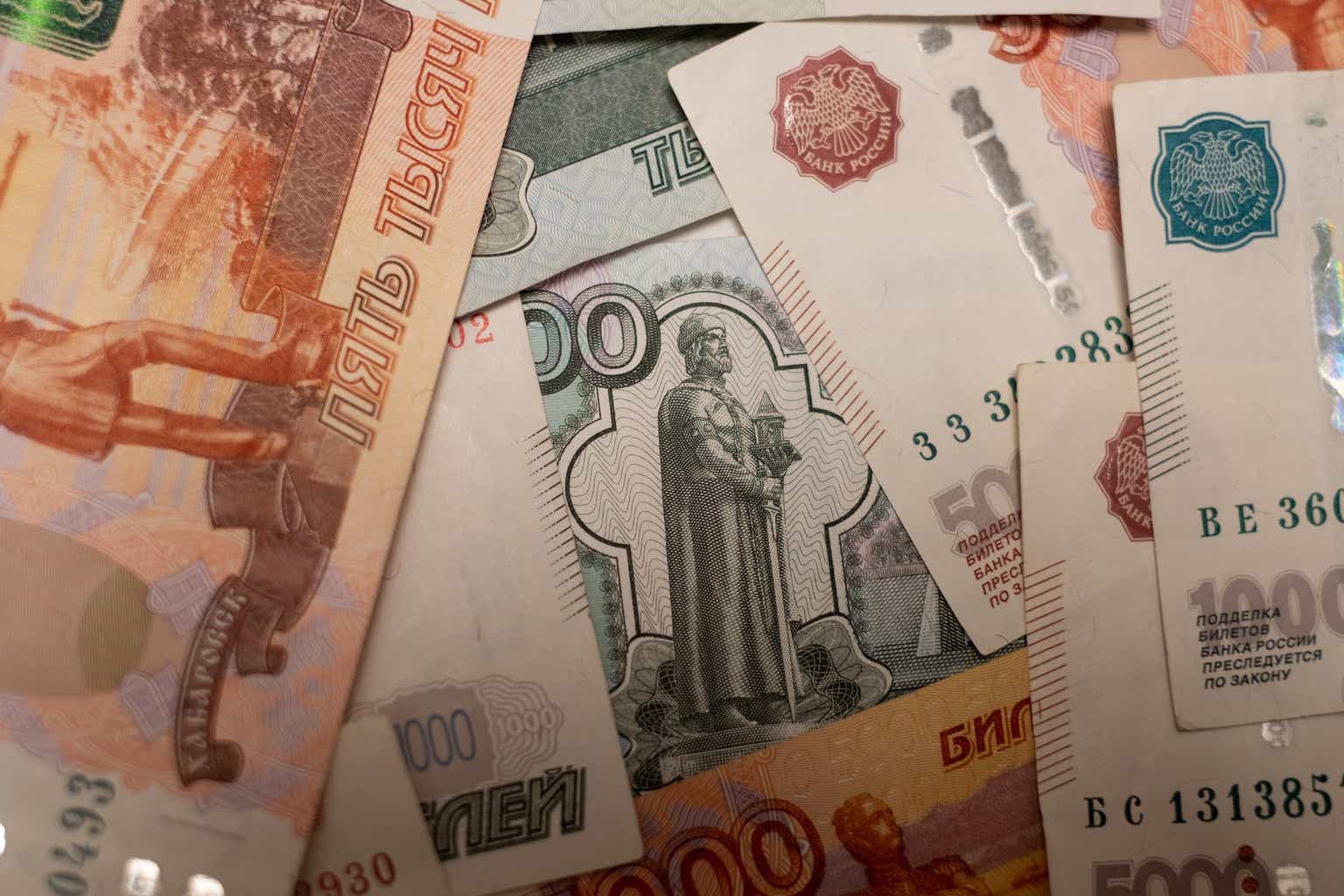
The BRICS nations—Brazil, Russia, India, China, and South Africa—have ascended as formidable economic players, challenging traditional notions of global finance. Central to this rise is the evolution of their respective currencies and the collaborative efforts that have shaped the BRICS currency landscape. This article takes a historical journey through the development of BRICS currencies, examining Buy brics currency online key milestones, challenges, and the overarching narrative that has positioned these nations at the forefront of the international monetary stage.
Section 1: Origins of BRICS and Currency Cooperation
Embark on a historical exploration of the formation of BRICS and the initial discussions surrounding currency cooperation. Uncover the early motivations behind the alliance and how the member nations recognized the potential benefits of collaborative monetary strategies. This section sets the stage for understanding the historical context in which BRICS currencies began to evolve.
Section 2: Individual Histories: Brazil, Russia, India, China, and South Africa
Delve into the unique historical trajectories of each BRICS nation and their currencies. Explore the economic milestones, policy shifts, and external factors that have influenced the development of the Real, Ruble, Rupee, Yuan, and Rand. This section provides insights into the diverse economic histories that form the foundation of BRICS currency evolution.
Section 3: The Formation of the BRICS Contingent Reserve Arrangement (CRA)
Examine the historical significance of the Contingent Reserve Arrangement (CRA) as a pivotal step in BRICS currency evolution. Understand how the CRA emerged as a response to global financial uncertainties, providing a collective safety net for member nations. This section highlights the collaborative efforts that aimed to enhance financial stability within the alliance.
Section 4: BRICS Summit Declarations and Currency Cooperation
Explore the currency-related declarations and agreements made during BRICS summits. Uncover how these high-level meetings have influenced currency strategies, fostered cooperation, and solidified the commitment to reduce dependence on traditional reserve currencies. This section traces the evolution of consensus and collaboration among BRICS nations regarding their currencies.
Section 5: Economic Crises and Resilience
Examine how BRICS currencies weathered economic storms, including global financial crises and regional economic challenges. Analyze the resilience displayed by the Real, Ruble, Rupee, Yuan, and Rand during times of uncertainty. This section sheds light on the adaptive strategies employed by BRICS nations to navigate economic turbulence.
Section 6: Yuan Internationalization and its Impact on BRICS
Unpack the historical journey of the Chinese Yuan (Renminbi) and its internationalization. Explore how China’s economic ascent and strategic initiatives have influenced the other BRICS currencies. This section provides insights into the evolving dynamics within the alliance as China’s currency plays an increasingly central role.
Section 7: Technological Advancements and Currency Innovation
Examine the role of technological advancements in shaping the evolution of BRICS currencies. From fintech developments to digital currencies, understand how technological innovation has influenced the monetary strategies of member nations. This section explores the intersection of technology and currency evolution within the BRICS context.
Section 8: Collaborative Efforts Beyond Currency Swaps
Assess the collaborative efforts among BRICS nations that extend beyond currency swaps. Explore initiatives related to trade agreements, economic partnerships, and infrastructure development that contribute to the strengthening of BRICS currencies. This section highlights the multifaceted nature of collaboration within the alliance.
Section 9: The Impact of Global Economic Shifts
Examine the impact of broader global economic shifts on the trajectory of BRICS currencies. From changing trade dynamics to geopolitical influences, understand how external factors have shaped the historical evolution of the Real, Ruble, Rupee, Yuan, and Rand. This section provides insights into the interconnectedness of BRICS currencies with the global economic landscape.
Section 10: Future Perspectives: BRICS Currencies in the 21st Century
Peer into the future and anticipate the potential trajectories of BRICS currencies in the 21st century. Explore the ongoing challenges, opportunities, and strategies that may shape the future evolution of the Real, Ruble, Rupee, Yuan, and Rand. This section provides a forward-looking perspective on the continued importance of BRICS currencies in the international financial arena.
“BRICS Currency Evolution: A Historical Perspective” concludes by emphasizing the transformative journey of BRICS currencies and the collective narrative that has unfolded over the years. From individual economic histories to collaborative initiatives, the historical evolution of the Real, Ruble, Rupee, Yuan, and Rand reflects the dynamic nature of the BRICS alliance. As these nations continue to navigate the complexities of global finance, their currencies serve as integral components in reshaping the international monetary landscape.